Source Binding Post Terminal for Audio, Video, and Power
Compare 30 binding post terminal options from verified suppliers in China. Buyers can evaluate brass and zinc alloy models with 24K gold plating for audio, video, and electrical applications; compare the available evidence and request quotations based on your requirements.
Key considerations
Products List






Comprehensive Sourcing Guide
Binding Post Terminal Sourcing Guide
Buyers evaluating binding post terminals must first distinguish between the diverse product variations observed in current listings, ranging from simple single-hole terminals to complex pluggable blocks. The market data indicates a significant variance in core materials, with some units featuring brass cores while others utilize zinc alloy or copper-zinc mixes, directly influencing conductivity and durability expectations. This material diversity necessitates a rigorous initial screening process to ensure the selected component aligns with the specific electrical load requirements of the intended audio or video application.
Procurement decisions should also account for the wide range of physical specifications and packaging formats available, such as single items versus bulk packs of 250 or 500 pieces. The observed listing signals reveal that while some products are marketed as environmental protection devices, others focus on high-volume industrial distribution with specific model numbers like M1001 or JY21-1122. Buyers must carefully map these observed attributes to their internal Bill of Materials to avoid mismatches in connector types, such as confusing male binding posts with socket terminals, which would render the components incompatible with existing assembly lines.
Product Scope and Observed Listing Signals
The current market for binding post terminals presents a fragmented landscape where product descriptions often overlap between general audio connectors and specific electrical terminals. Listings frequently highlight applications in audio and video systems, yet the same product category also includes items explicitly designed for conducting electricity in broader industrial contexts. This ambiguity requires buyers to scrutinize the specific connector type, such as distinguishing between 4MM pins and other interface types, to ensure the component fits the mechanical constraints of the final assembly without requiring costly adapter modifications.
Observations of packaging and weight data further complicate the scope, with single gross weights varying from 0.010 kg to 0.035 kg and package sizes ranging from compact 5x2x2 cm units to larger 20x15x10 cm cartons. These physical discrepancies often correlate with the number of cores and the presence of insulators like ABS, which are critical for safety in high-voltage environments. Buyers must verify whether the listed "single item" selling units are representative of the actual bulk order or if the packaging implies a different internal configuration that could affect storage and handling logistics.
Technical Specifications to Verify
Technical verification must begin with the core material composition, as the observed listings specify brass, zinc alloy, and copper-zinc mixes, each offering distinct trade-offs between conductivity and corrosion resistance. A buyer should request material certification to confirm the exact alloy percentage, particularly for applications involving high current where brass cores are preferred over zinc alloys for their superior electrical properties. This verification step is essential to prevent premature failure in audio and video systems where signal integrity depends on consistent and low-resistance connections.
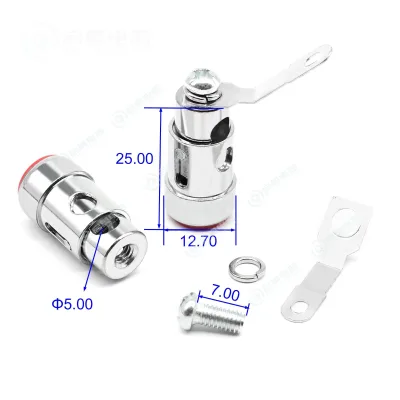
Dimensional accuracy and interface compatibility are equally critical, with observed specifications including model numbers like T006 and JY21-1021 alongside specific pin sizes such as 4MM. Buyers must cross-reference the listed single package dimensions and gross weights against their own design tolerances to ensure the binding post fits within the allocated chassis space. Additionally, the interface type, noted as AC/DC in some listings, requires confirmation that the rated voltage and insulation properties, such as ABS insulators, meet the specific operational demands of the target equipment.
Compliance and Safety Documentation
Safety documentation for binding post terminals should focus on verifying the insulator materials and the rated voltage capabilities, as these are primary factors in preventing electrical hazards. While some listings mention environmental protection characteristics, buyers must demand specific test reports confirming that the ABS insulators and metal cores meet relevant international safety standards for electrical components. This verification is crucial for products intended for commercial audio and video equipment, where failure to meet safety norms could result in liability issues or product recalls.
Buyers should also investigate the origin of the components, noting that listings indicate production in Guangdong, Zhejiang, and Jiangsu, China, regions known for diverse manufacturing capabilities. The variation in place of origin suggests that quality control processes may differ significantly between suppliers, making it imperative to request evidence of consistent manufacturing practices. Ensuring that the supplier can provide traceability for the raw materials, such as the brass or zinc alloy used, helps mitigate risks associated with substandard components that might fail under thermal stress or mechanical load.
Cost Drivers and Commercial Terms
Cost drivers in the binding post terminal market are heavily influenced by the core material and the complexity of the plating process, with 24K gold-plated options commanding a premium over standard finishes. Buyers must analyze the price-to-performance ratio, considering that while gold plating enhances conductivity and corrosion resistance, it may be unnecessary for low-power audio applications. Understanding these material cost differentials allows procurement teams to negotiate effectively, ensuring they do not overpay for features that do not add value to their specific use case.
Commercial terms are further complicated by the wide range of observed Minimum Order Quantities (MOQs), which span from single items to 100,000 units, reflecting the diverse needs of both prototype developers and mass manufacturers. Buyers should clarify whether the listed prices apply to the single item or bulk packaging, as the unit cost can fluctuate dramatically based on the order volume. Establishing clear terms regarding packaging, such as the 500PC/PB or 250PCS/PB formats, is essential for accurate budgeting and logistics planning, as these factors directly impact shipping costs and inventory management.
Supplier Qualification and Quality Control
Supplier qualification requires a deep dive into the manufacturing capabilities indicated by the diverse model numbers and material specifications found in the listings. Buyers should verify that the supplier has a proven track record in producing specific terminal types, such as single-hole terminals or pluggable blocks, and can consistently deliver the required material grades like brass or zinc alloy. This verification ensures that the supplier possesses the necessary technical expertise to maintain the tight tolerances required for reliable electrical connections in audio and video applications.
Quality control protocols must be established to address the variability in product attributes, such as the observed differences in gross weight and package dimensions. Buyers should implement incoming inspection procedures that test for material composition, plating thickness, and mechanical strength to ensure every batch meets the specified standards. Given the presence of customization options, it is vital to confirm that the supplier has the flexibility to adapt their production lines while maintaining strict quality assurance measures to prevent defects in the final assembly.
Long-Term Procurement Checks
Long-term procurement success depends on establishing a robust relationship with suppliers who can guarantee consistent supply of materials like brass and zinc alloy over extended periods. Buyers should monitor the supplier's ability to maintain the specific model numbers and specifications, such as the M1001 or JY21-1122, to avoid disruptions in production caused by component obsolescence or design changes. This stability is critical for maintaining the integrity of audio and video systems that rely on precise electrical connections for optimal performance.
Regular audits of the supplier's quality control processes and material sourcing strategies are essential to ensure ongoing compliance with safety and performance standards. Buyers must verify that the supplier continues to meet the environmental protection claims and maintains the integrity of the insulators and plating over time. By conducting periodic reviews of the supplier's performance against the initial specifications, procurement teams can identify potential risks early and take corrective action to ensure the long-term reliability of the binding post terminals in their products.
FAQs
What materials are commonly used for binding post terminals?
Binding post terminals commonly use a brass core for the conductive parts, and some models are made from copper, zinc, or zinc alloy depending on the design. Brass offers good conductivity and durability for audio and video connections. The insulator on pluggable terminal block styles is often ABS plastic. Buyers should confirm the exact material with each supplier before ordering, since materials vary between models and listings.
Can binding post terminals be customized for specific projects?
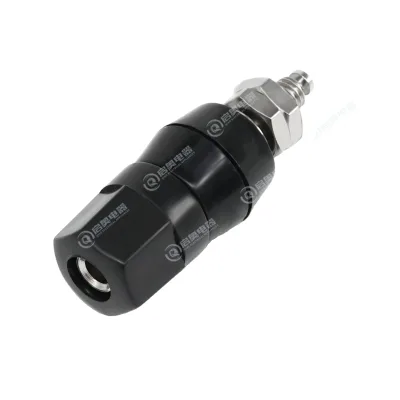
Yes, customization is available for binding post terminals according to the listed product attributes. Buyers can typically discuss plating options, colors, packaging, and model variations with suppliers. The observed color option is black and red, which suits audio polarity marking. Customization usually affects minimum order quantities and lead times, so buyers should state their requirements clearly and confirm all details in writing before confirming a purchase order.
How are binding post terminals typically packaged for shipping?
Packaging varies by supplier and model. Observed listings mention carton packing for shipping, with inner packaging of 500 pieces per bag on some models and 250 pieces per bag on others. Single gross weights range from about 0.010 kg to 0.035 kg per item, and package sizes vary from small 5x2x2 cm units to larger 20x15x10 cm cartons. Always confirm the packaging configuration with the supplier before ordering.
Which binding post terminal suits audio and video connections?
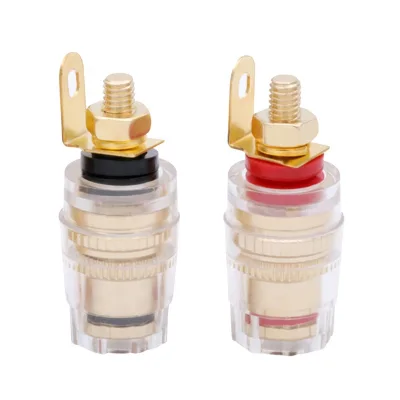
A binding post audio connector with a brass core and 24K gold plating suits audio and video connecting applications well. Gold plating helps maintain stable contact quality, and the black and red color scheme supports correct polarity identification. These terminals are designed to conduct electricity for single-core setups. Buyers should verify pin size, such as the listed 4MM pins, matches their speaker or equipment terminals before purchase.
What plating options are available on binding post terminals?
The observed listings show 24K gold plating on binding post terminals with brass cores, which is a common choice for audio applications because it supports reliable electrical contact. Other models may use bare brass, copper, or zinc alloy construction without plating. Plating choice can affect cost and durability, so buyers should ask suppliers to specify the plating material and thickness for each model before comparing offers or placing an order.
How do I choose between round and square binding post terminals?
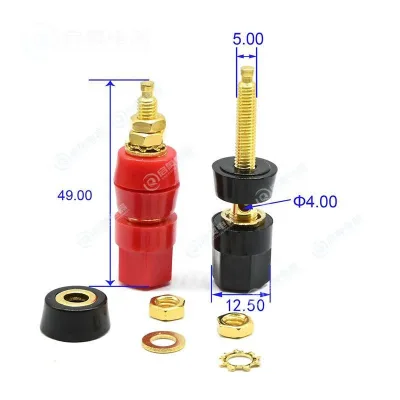
The choice depends on mounting style and equipment compatibility. Observed listings include both round and square shapes, with types such as single hole terminals and socket terminals. Round binding posts are typical for speaker connection panels, while square or socket styles may suit panel-mounted equipment. Check the specification, such as M5x49 on one listed model, against your mounting hole and confirm the connector gender and pin size fit your cables.
What should buyers confirm before ordering binding post terminals in bulk?
Buyers should confirm the model number, material, plating, pin size, color, and packaging configuration with the supplier. Observed models include M1001, T006, T017, JY21-1122, and QA-JXZ1131, produced in regions such as Guangdong, Zhejiang, and Jiangsu, China. Also confirm minimum order quantities, which vary widely, the selling unit, and whether customization is needed. Request written specifications and sample approval before committing to large volume orders.
Can binding post terminals be used for both AC and DC applications?
Some listed binding post terminals specify an AC/DC interface type, while rated voltage details are listed as other, meaning buyers must confirm electrical ratings directly with the supplier. Binding posts are generally used to conduct electricity in audio and video equipment. For any electrical application beyond audio use, verify the rated voltage, current capacity, and safety requirements for your specific installation with the manufacturer before ordering.